




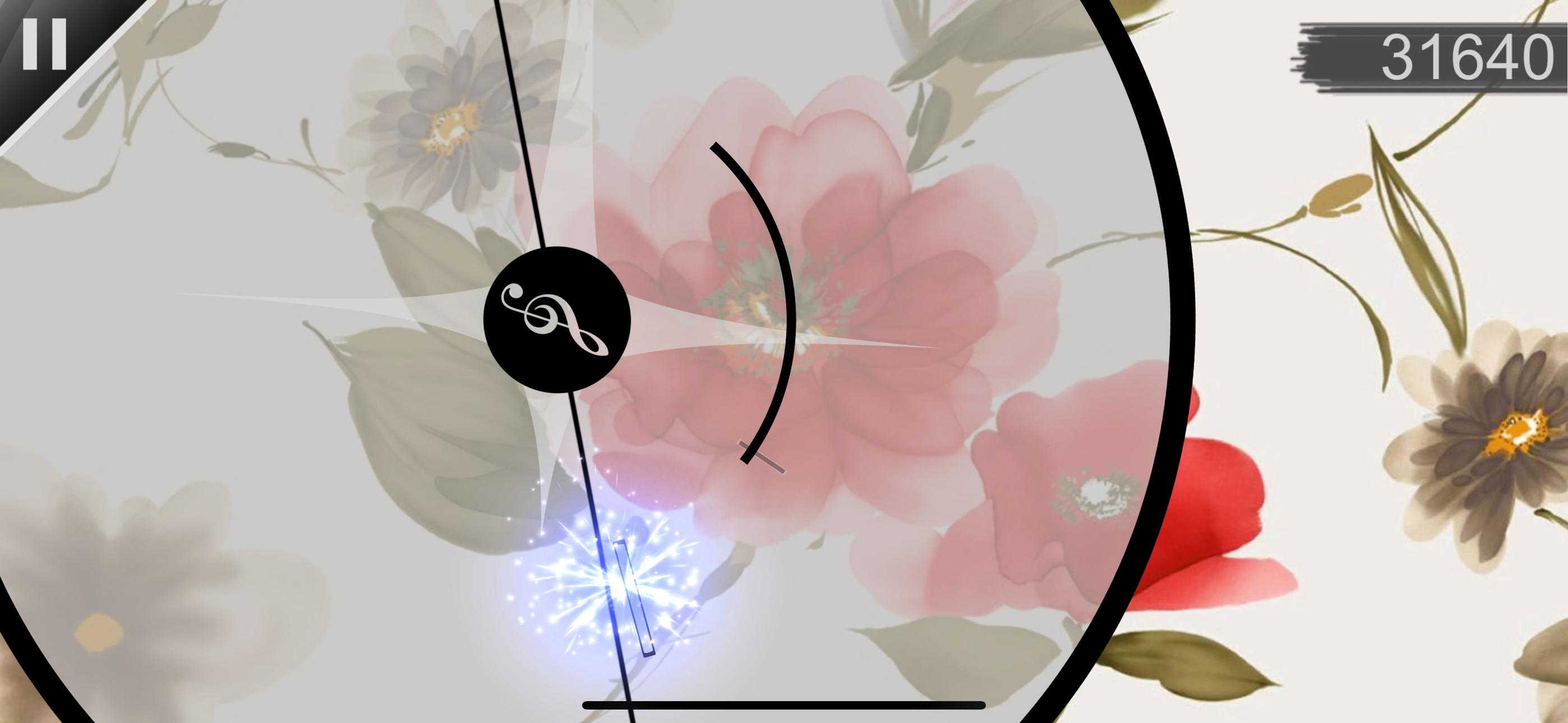

Alio is a rhythm-based game that challenges players to hit notes in sync with music, offering a unique twist on traditional rhythm mechanics. Inspired by popular rhythm games like Deemo, Cytus, and Lanota, Alio adds its own spin with a rotating plate and Settle Line, creating a dynamic and visually engaging experience.
Design & Mechanics
The core gameplay revolves around hitting notes precisely as they align with the music’s rhythm. Players must interact with three different types of notes:
- Black Notes: Hit them when they reach the Settle Line for graded accuracy (Perfect, Good, Bad, or Miss).
- Gray Notes: Hold them down when they reach the Settle Line, with a scoring system that only recognizes Perfect or Miss.
- Center Notes: Hit the center when these notes align with the center, following a similar grading system as Black Notes.
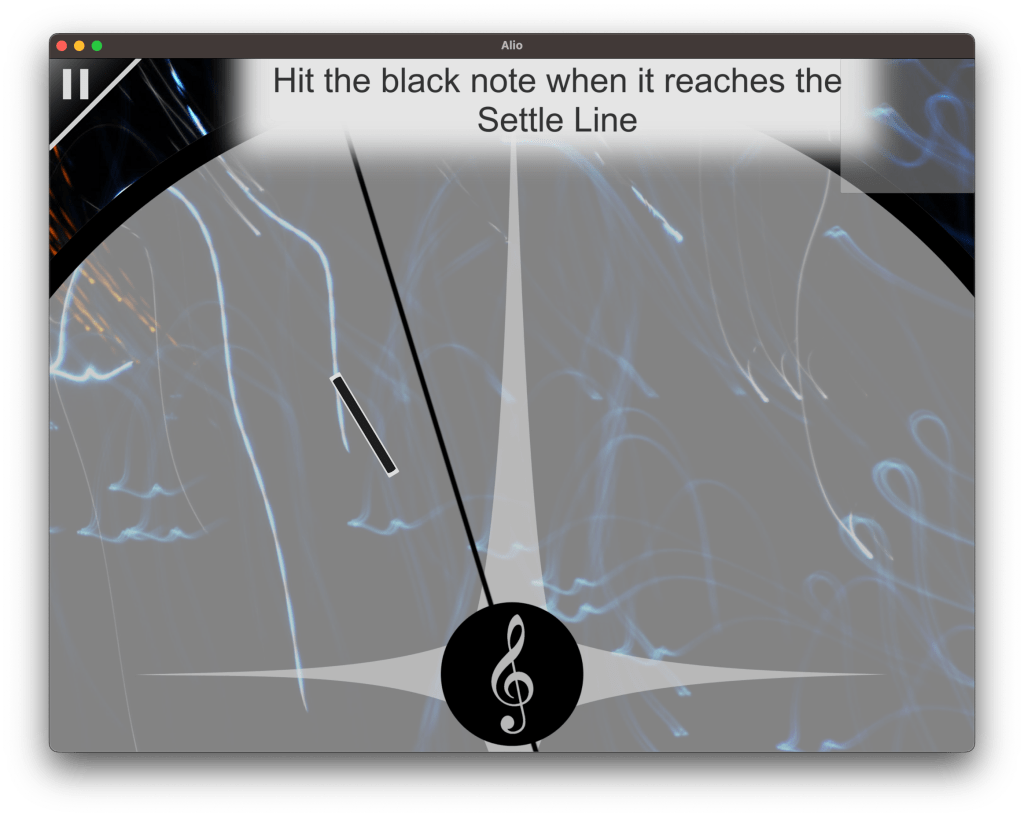


The challenge is elevated by the rotating and shifting plate and Settle Line, which move in sync with the music. This dynamic element introduces varying difficulty, making each level both visually and mechanically engaging.
Levels & Difficulty:
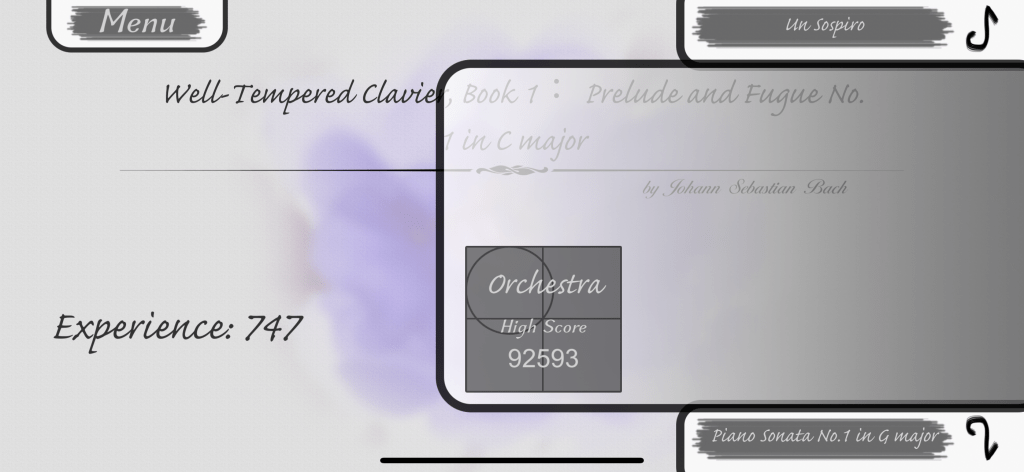
Alio features four distinct levels, each set to a classical music track. Each level offers multiple difficulty settings, tailored to the specific musical arrangement of that track. Unlike many rhythm games, Alio carefully adjusts the difficulty for each song, providing unique challenges that fit the rhythm and complexity of the music.

Art & Style:
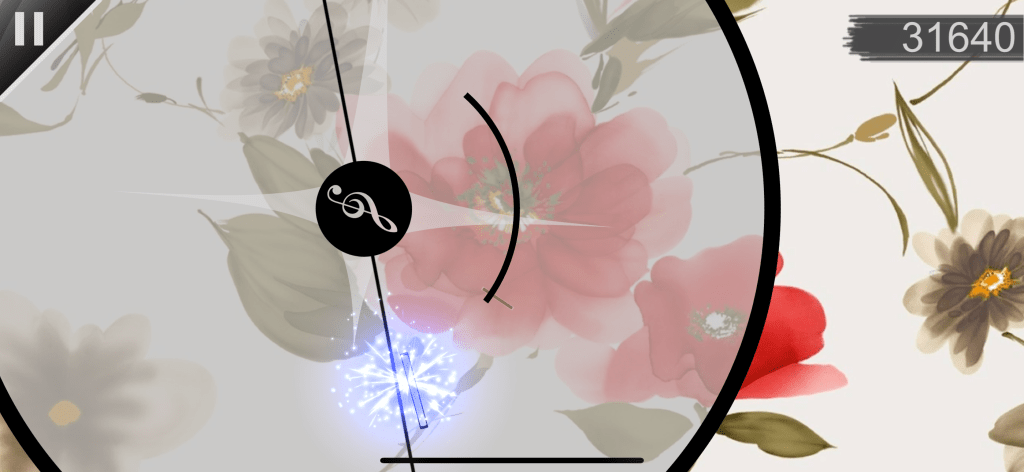
The game’s visual design centers around a minimalist UI with beautiful background image and effects, reflecting its classical music theme. Vibrant colors are sparingly used as positive feedback for perfect or good hits, adding contrast and reinforcing player success.
The backgrounds of each level evolve with more vibrant colors, reflecting the tone and style of the music. This design choice enhances the overall atmosphere while maintaining the game’s elegant and nostalgic aesthetic.

Technical Implementation:
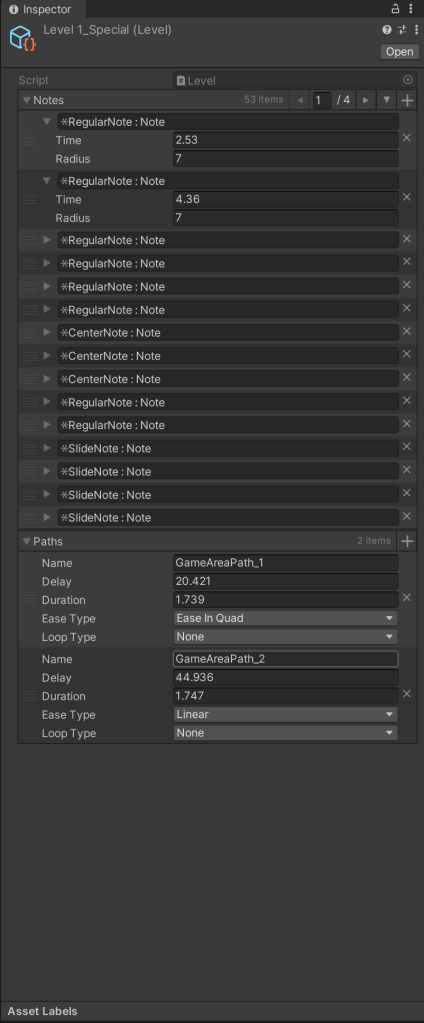
Alio was developed using Unity, with game data stored in ScriptableObjects for efficient handling of note timing and positioning. Plugins like iTween Path were utilized to give the plate dynamic movement, adding complexity to the gameplay.
Despite being developed during high school with limited programming experience, Alio successfully integrates features like Game Center, achievements, and leaderboards, and was published on both the App Store and Google Play.

With its dynamic mechanics and classical music-inspired design, Alio offers a fresh take on rhythm gaming, blending aesthetics with challenging, engaging gameplay.
 Xiao Jiang - Brian